Globally recognized organizational strategist enables scale by aligning people, data, and systems
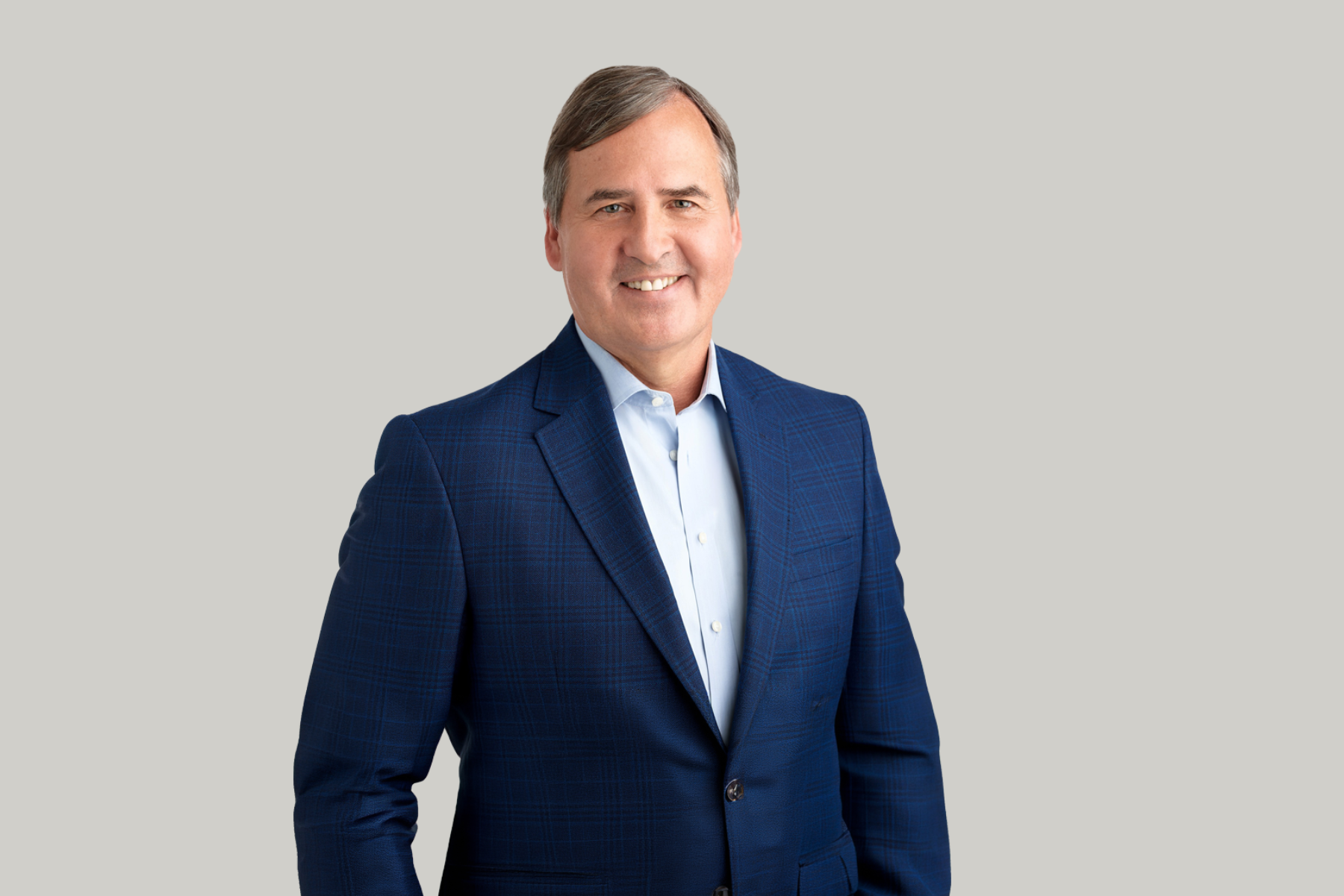
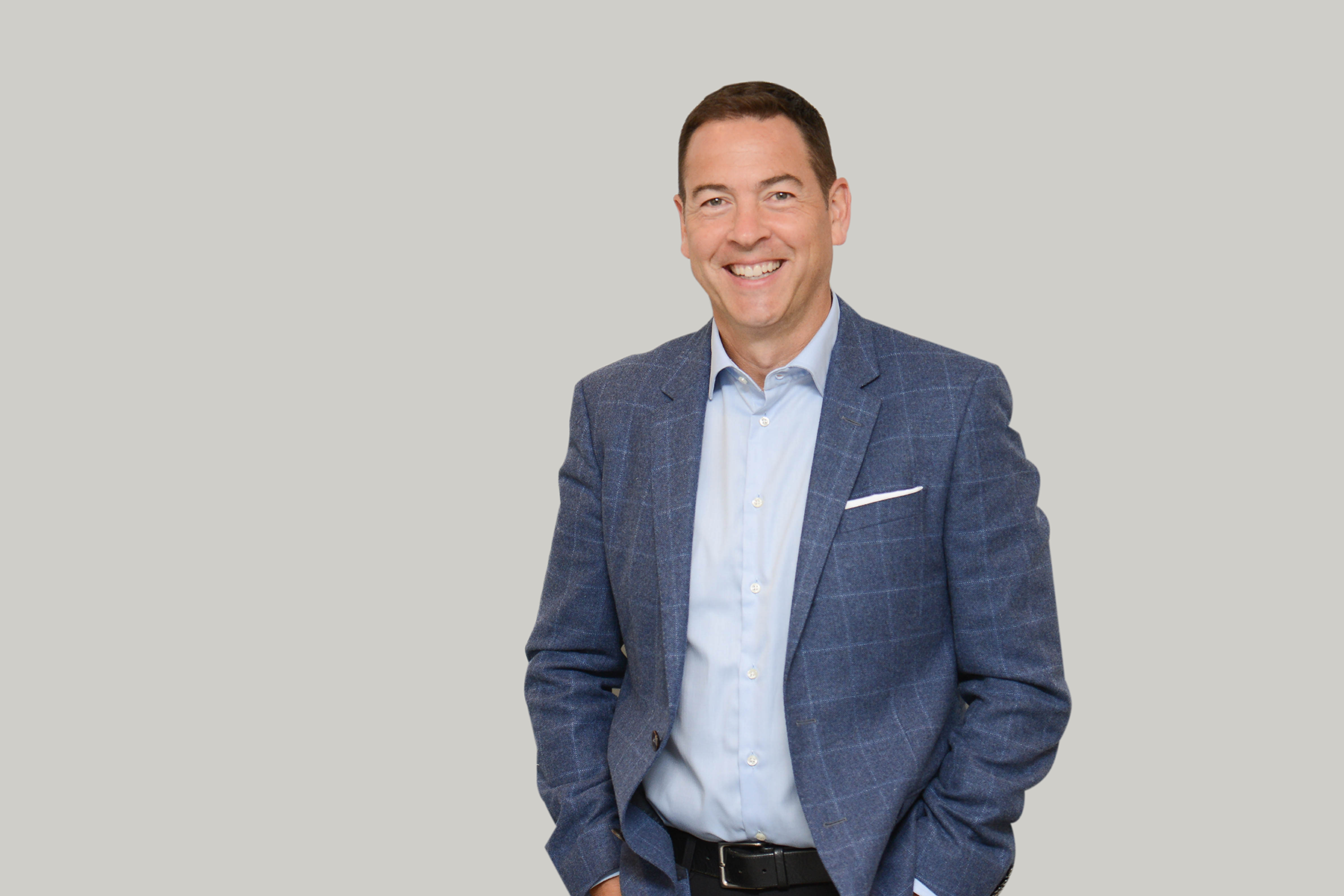
TORONTO, ON, January 29 2026 – Greenfield Global, a leading producer, manufacturer, and distributor of high-purity alcohols, bioprocessing solutions, and biofuels, today announced the appointment of Jenny Dearborn as Chief People & Enterprise Excellence Officer.
Dearborn brings extensive experience building and scaling high-performance organizations, with C-level executive leadership roles at Sun Microsystems, SAP SuccessFactors, Hewlett-Packard, Klaviyo, and most recently, the business consulting firm BTS, where she served as Chief People Strategy Officer. A five-time honoree on the list of the 50 Most Powerful Women in Tech, she is widely recognized as a thought leader in people strategy, data-driven leadership, and organizational performance.
“Jenny has a special ability and proven track record of transforming raw data into powerful workforce strategies that enable complex businesses to scale,” said Howard Field, President and CEO of Greenfield Global. “She has developed high-performing organizations—from startups to Fortune 50 companies— which positions her exceptionally well to help us drive meaningful performance gains across the company. This is exactly the caliber of leadership that will fuel our continued growth.”
In her role, Dearborn will be responsible for Greenfield Global’s people strategy, leadership development, organizational design, and enterprise operating systems. She will also lead the company’s Enterprise Excellence (Lean) function, advancing repeatable, data-driven management practices that drive accountability, productivity, and reliable execution across the company’s business units.
“I’m excited to join Greenfield Global during this pivotal period,” said Dearborn. “The company has built a strong foundation and market position, and that foundation creates a powerful platform for continued growth. I look forward to working with the entire team to strengthen the systems, capabilities, and culture that empower teams to perform at their best while supporting the company’s long-term strategy and values.”
Dearborn has served on the Harvard Business Review Advisory Board, the University of California, Berkeley College of Letters & Sciences Advisory Board, and as a board member of the Silicon Valley Leadership Group and Association for Talent Development. Over the course of her career, she has sat on the advisory boards of more than 30 companies spanning multiple industries. She is the author of multiple best-selling business books, including Data Driven, which debuted at #1 on Amazon’s New Business Releases, and The Data Driven Leader.
This leadership addition underscores Greenfield Global’s unwavering focus on operational excellence, disciplined execution, and supporting customers with quality, consistency, and reliability.
About Greenfield Global
Greenfield Global is a leading producer of high-purity ethanol, specialty solvents, bioprocessing solutions, and biofuels serving the life sciences, pharmaceutical, food & beverage, personal care, and renewable energy markets worldwide.
With multiple distilleries, a globally integrated supply chain, and deep expertise in the sourcing, testing, blending, packaging, and distribution of high-purity alcohols and critical bioprocessing inputs, Greenfield Global supplies customers with unmatched quality, reliability, and support.
This integrated platform enables Greenfield Global to serve customers from early-stage innovators to the world’s leading multinational enterprises, delivering over 1 billion liters annually in container formats ranging from bulk rail to packaged solutions, to more than 50 countries across the globe.
Privately held for 35+ years, Greenfield Global is a trusted, responsive partner with extensive regulatory and quality expertise. The company’s commitment to sustainability and customer success shapes every aspect of the business.
Guided by a culture of entrepreneurship, innovation and operational excellence, and powered by a highly experienced team, Greenfield Global advances solutions that support human health, industrial progress, and the transition to a more sustainable future.
Media Contact
Greenfield Global
Hilary Banda
P: 203-501-3741
E: hilary.banda@greenfield.com